the problem
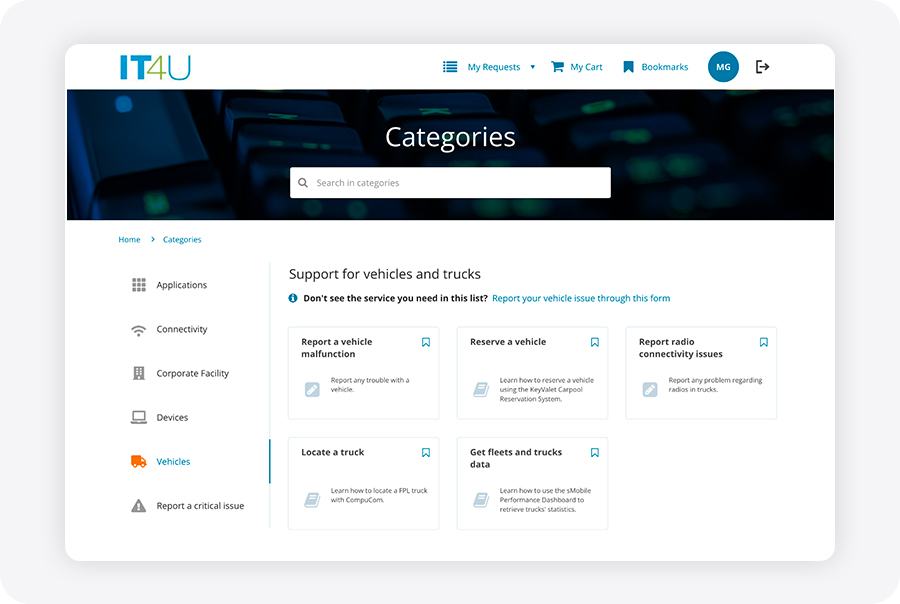
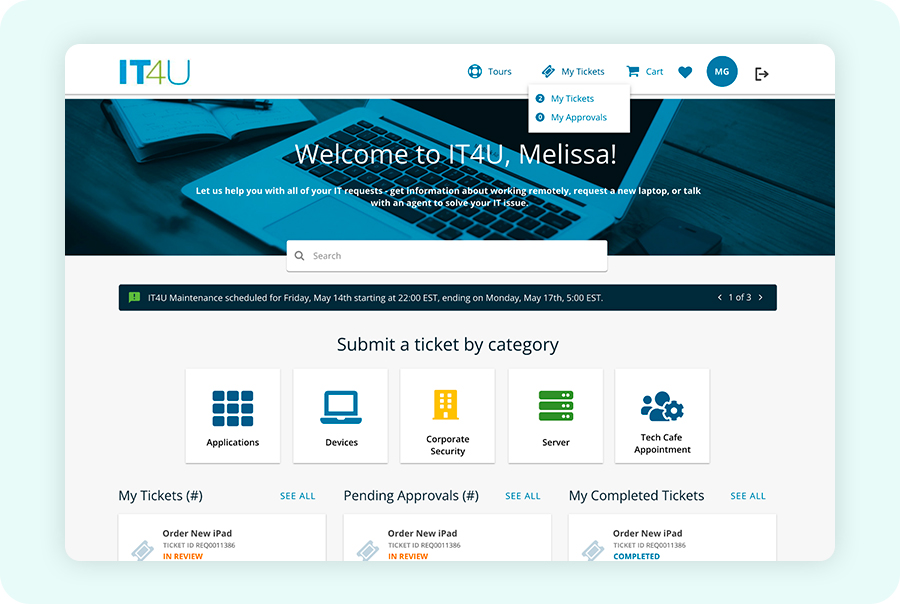
Employees struggled to find anything in the IT4U portal: more than 400 catalog items, and search that did not help.
Cutting NextEra Energy's IT service catalog from 400+ items to about 50, so employees can find what they need and help themselves.
Employees struggled to find anything in the IT4U portal: more than 400 catalog items, and search that did not help.
Cutting NextEra Energy's IT service catalog from 400+ items to about 50, so employees can find what they need and help themselves.
The projected improvement in portal usability and searchability was 50%.
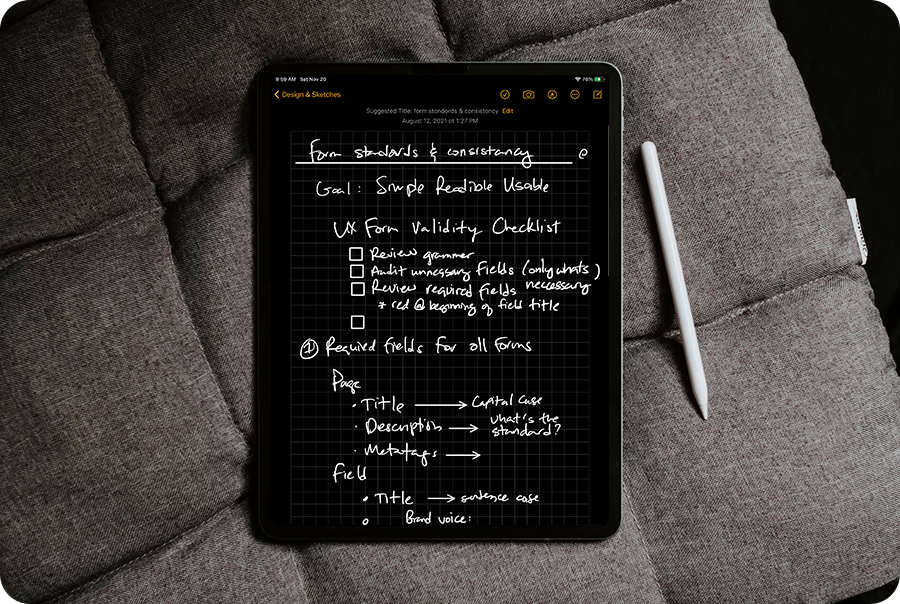
Employees struggled to find anything in the IT4U portal: more than 400 catalog items, and search that did not help. The goal was more self-service, a more personal experience and a simpler way to submit IT tickets. We measured progress against a baseline NPS survey.
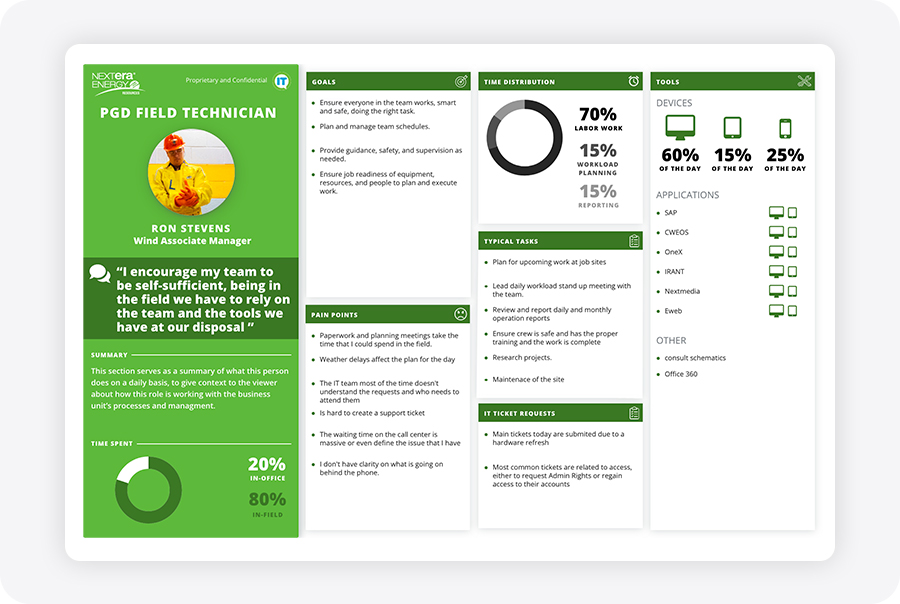
After 100+ interviews we defined five personas: office staff, executives, plant workers, field crews and customer service. We designed for each, then merged the designs into shared patterns in UXPin so developers needed less custom code.
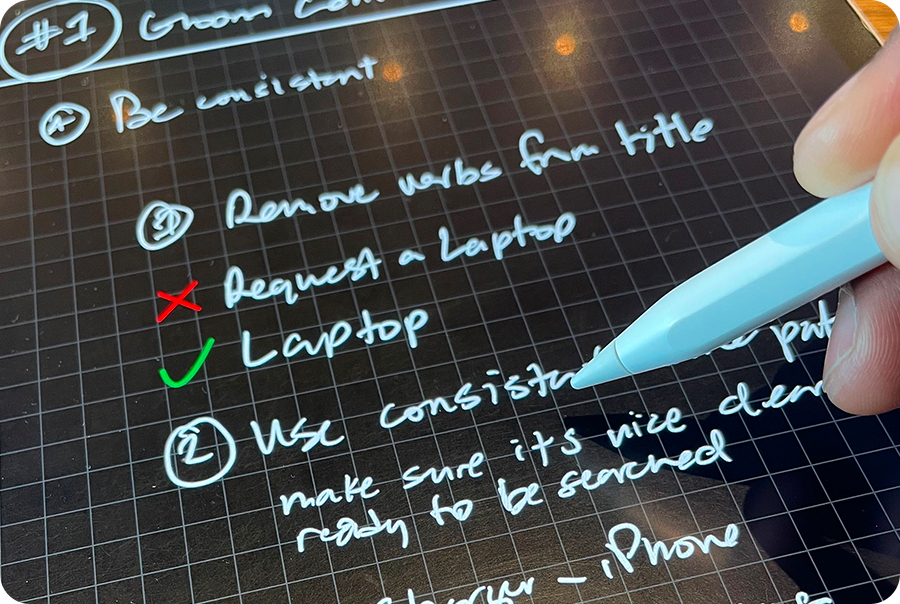
Using OptimalSort, we grouped the catalog into seven categories with three to six action-based items each, cutting 400+ items to about 50.
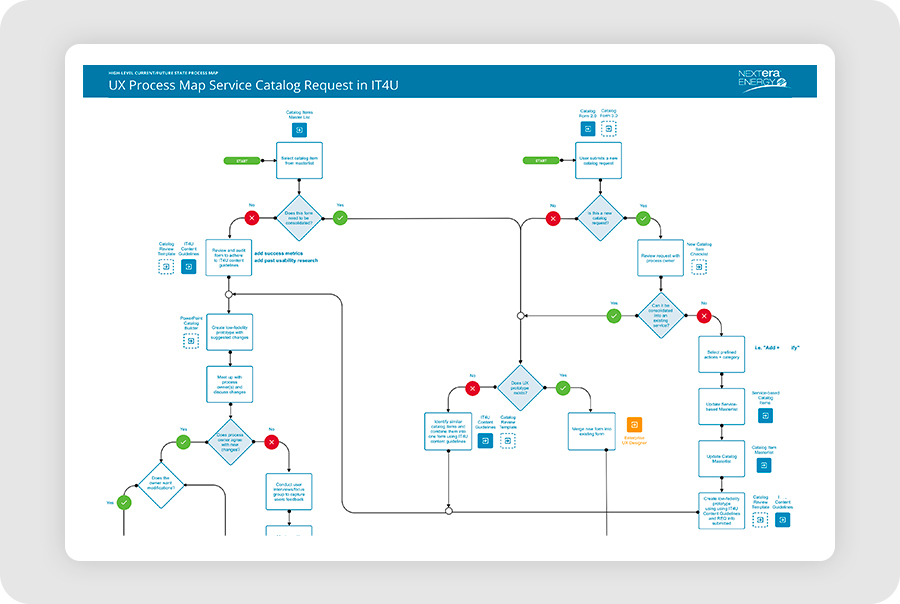
I built a UXPin template and guidelines that cut the time to design a catalog prototype from two weeks to one day.
Ran two daily standups, one with four offshore developers and one with five designers, and kept onboarding moving through turnover.
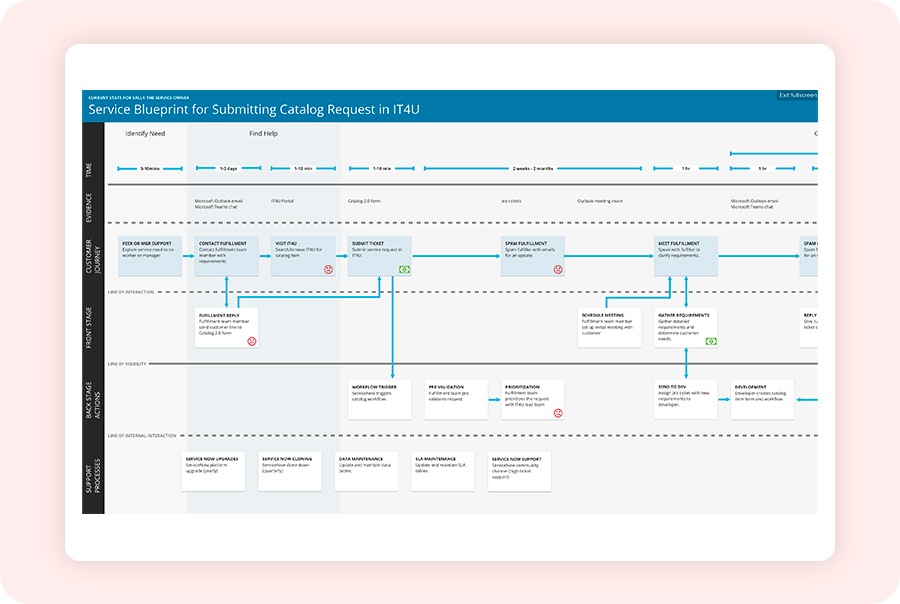
Facilitated NextEra Energy's first service blueprint workshop for the IT4U leads, then taught the method to 20+ designers at the monthly knowledge share.
The projected improvement in portal usability and searchability was 50%.
NPS rose against the baseline.
Catalog prototypes took one day instead of two weeks.
Deadlines held despite team turnover.
Scroll sideways for the screens that didn’t fit the story.
A planning board that brought eight field-scheduling systems into one tool, part of a plan to cut $28 million in costs over five years.
or see all 20 projects